So many kinds of Yoga
Walk into several yoga classes and you may wonder when one teacher asks you to hold a posture while carefully adjusting the position of your feet. Another leads a continuous sequence synchronized with the breath.
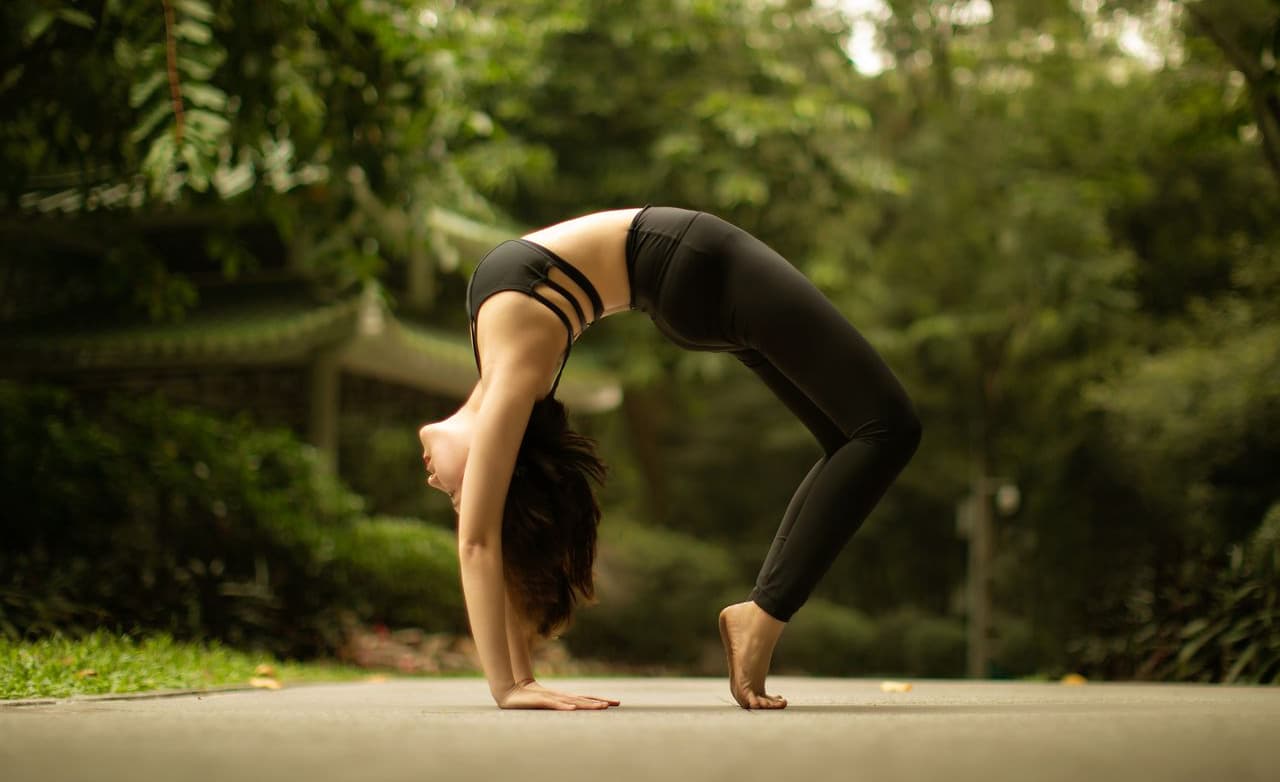
Somewhere else, students remain supported by blankets and bolsters for several minutes at a time. A Kundalini class may involve chanting and repeated breathing practices, while a hot-yoga studio emphasizes sustained physical effort in a heated room.
How did all of these become "yoga"?
Part of the confusion comes from treating yoga as though it were originally a standardized exercise system that later split into competing versions. Its history is considerably more complicated. Yoga developed across centuries through multiple philosophical and religious traditions. Depending on the teacher, verbal instructions and texts placed different emphasis on meditation, ethical discipline, devotion, knowledge, breath, bodily practices, and liberation.
Modern postural yoga inherited parts of that history and continued to evolve. Teachers developed distinctive methods, students brought different needs, and yoga entered new cultural and therapeutic settings. The variety we encounter today is therefore a mixture of different philosophical paths, different techniques, different teaching lineages, and modern adaptations.
Paths vs Styles
One useful distinction is between a path of yoga and a style of yoga class.
Traditional Indian thought contains concepts such as Bhakti Yoga, the path of devotion; Karma Yoga, the path of action; and Jnana Yoga, the path of knowledge or discernment. These do not describe whether a class is fast, slow, heated, or physically demanding. They describe approaches to spiritual practice and transformation.
Similarly, traditions associated with Raja Yoga, Hatha Yoga, Tantra, and Kundalini have histories and meanings considerably broader than the classes carrying those labels in contemporary studios.
By contrast, names such as Iyengar Yoga, Ashtanga Vinyasa Yoga, Bikram Yoga, Restorative Yoga, and much of modern Vinyasa Yoga identify relatively recent teaching methods, interpretations or styles of physical practice.
This distinction explains one apparent contradiction: two practices can look very different physically while drawing from overlapping philosophical ideas, and two classes that look similar can be taught with very different philosophical aims.
Modern Methods Emphasize Different Parts of Practice
Iyengar Yoga
Developed through the teaching of B.K.S. Iyengar, this method places unusual emphasis on alignment, observation, sequencing, and the intelligent use of props. Blocks, belts, blankets, chairs, and other supports allow postures to be studied with considerable precision.
Its deliberate approach can make it adaptable for people with different physical capacities, although therapeutic applications require appropriately trained instruction.
Ashtanga Vinyasa Yoga
The modern Ashtanga method associated with K. Pattabhi Jois organizes postures into prescribed sequences. Movement and breathing are closely coordinated, and practitioners generally learn the sequence progressively.
Repetition is central to the method. Rather than receiving an entirely new sequence in every class, the practitioner repeatedly encounters the same material and observes how the body, attention, and response to difficulty change.
Vinyasa Yoga
Contemporary Vinyasa is a broad category rather than a single standardized lineage. Classes generally connect movement with breathing, but their sequencing, pace, difficulty, and philosophical emphasis can vary enormously.
This flexibility helps explain both Vinyasa's popularity and the difficulty of defining it precisely. The name tells you something about the method of movement, but relatively little about exactly what a particular class will contain.
Restorative Yoga
Restorative practice uses extensive support so that the body can remain in positions with relatively little muscular effort. Postures are usually held considerably longer than in active classes.
The purpose is generally down-regulation, rest, and reduced physical effort rather than conditioning. This makes restorative practice quite different from simply performing ordinary yoga poses more slowly.
Kundalini Yoga
The term kundalini has deep roots in Indian tantric and yogic traditions, where it refers to a conception of latent spiritual power. Modern classes called Kundalini Yoga may combine posture, repeated movements, breathing exercises, mantra, meditation, and chanting.
Because contemporary Kundalini practice has its own complicated lineage and differs from historical tantric descriptions of kundalini, it is useful to distinguish the ancient concept from the modern branded or studio practice.
Hatha Yoga
"Hatha" is particularly confusing because its meaning changes with context.
Historically, Hatha Yoga refers to traditions that developed sophisticated practices involving the body, breath, mudras, energetic concepts, and meditation. In many contemporary studios, however, "Hatha" simply means a relatively slow, general posture class.
A class schedule that says "Hatha Yoga" therefore may be using the word very differently from a medieval Hatha Yoga text.
Bikram and Hot Yoga
Bikram Yoga refers to a specific modern method built around a prescribed sequence of 26 postures and two breathing exercises performed in a heated room.
Hot yoga is the broader category. A heated Vinyasa class, for example, can be hot yoga without being Bikram Yoga.
Heat changes the experience and physiological demands of practice, but claims about "detoxification" through sweating should be treated cautiously. People with relevant medical conditions, heat sensitivity, or pregnancy may also need individualized medical guidance before practicing in extreme heat.
A Contemporary Yin-Yang Lens
People sometimes describe yoga practices using the Chinese concepts of yin and yang. Used carefully, this can provide a convenient modern shorthand for comparing the felt qualities of different classes.
A vigorous Ashtanga or Vinyasa practice might be described as more yang: active, warming, muscular, and demanding. A restorative practice might be described as more yin: receptive, supported, cooling, and still.
This is a comparative framework rather than the historical philosophy from which these yoga traditions arose. It should therefore help describe the experience of a practice without being mistaken for an explanation of its Indian philosophical origins.
It also reminds us that intensity is not a hierarchy. A vigorous practice is not inherently more advanced than a quiet one. Stillness of mind is way harder than movement of body.
Choosing a Practice
The useful question is less "Which type of yoga is best?" than "What am I hoping to cultivate through practice?"
Someone interested in detailed exploration of posture may appreciate Iyengar Yoga. Someone drawn to repetition, structure, and vigorous physical practice may prefer Ashtanga. A person who enjoys movement and varied sequencing may gravitate toward Vinyasa. Someone seeking deliberate rest may find restorative practice more appropriate.
Those choices can change. A practice that suits a healthy twenty-five-year-old athlete may be inappropriate during injury or illness. Someone who once wanted vigorous movement may later become interested in pranayama or meditation. Yoga's adaptability allows the method to change while practice continues.
That adaptability also helps explain why so many modalities exist. The word yoga has accumulated meanings across a long history, and contemporary yoga contains both ancient ideas and relatively recent inventions. The styles encountered in studios today are branches of that history rather than interchangeable versions of one standardized exercise program.
Understanding those distinctions makes the variety less confusing. Instead of asking which style represents "real yoga," we can ask a more historically and practically useful question: What does this particular tradition mean by yoga, what is it trying to cultivate, and which methods does it use to get there?