Panchakarma Protocols - A practitioner perspective
Panchakarma is often introduced as an Ayurvedic detoxification program, but this description captures only one part of a much deeper therapeutic process. In classical Ayurveda, Panchakarma is not a standardized cleanse that everyone follows in the same way.
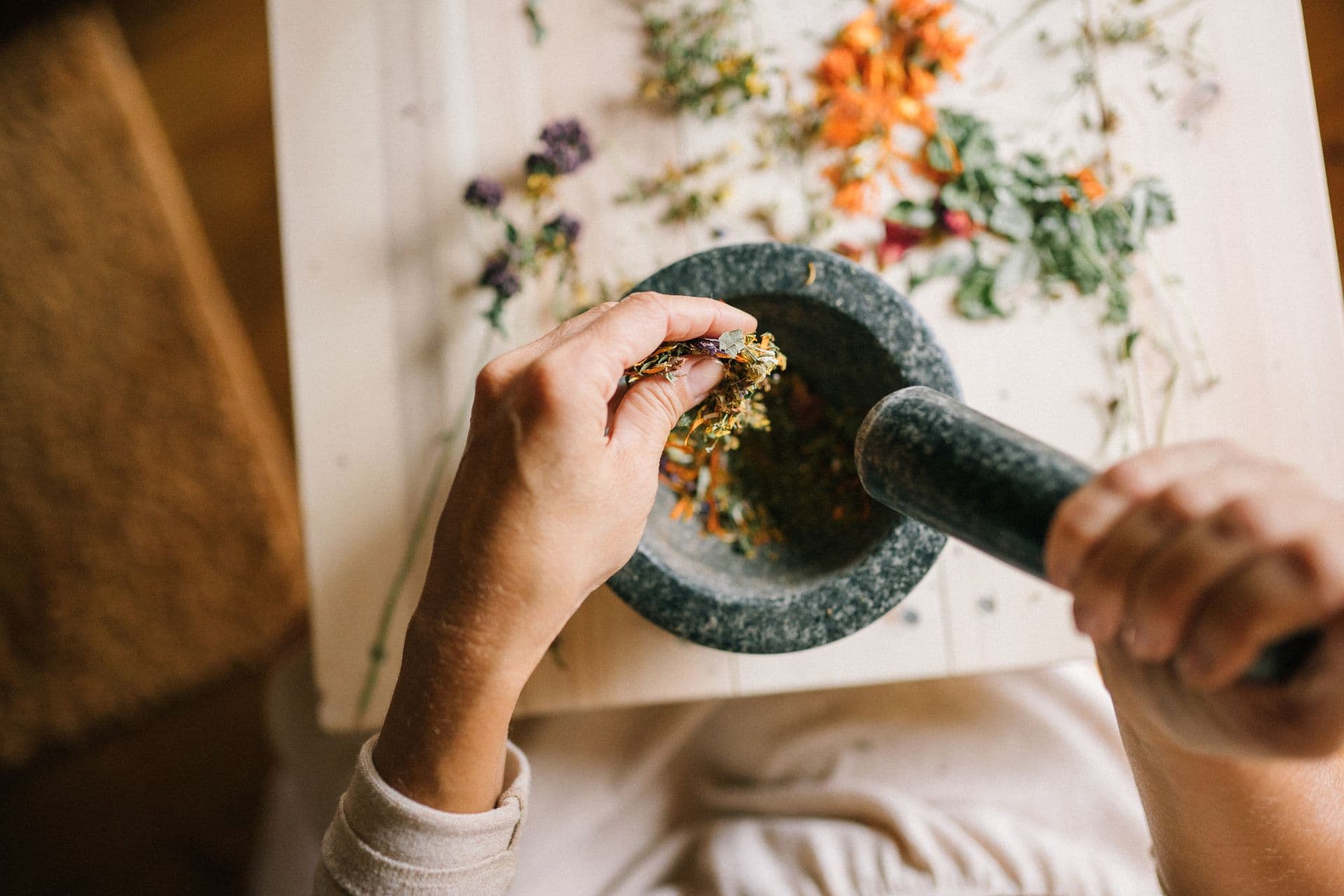
It is a carefully planned and highly individualized protocol intended to prepare the body, facilitate the elimination of accumulated imbalances, and restore strength afterward.
The Sanskrit term Panchakarma means “five actions.” These actions represent traditional methods used to address specific patterns of doshic imbalance.
However, a complete Panchakarma protocol involves much more than the five principal procedures.
It includes preparation, dietary discipline, therapeutic treatments, rest, observation and a gradual return to normal activity.
For this reason, Panchakarma should not be approached as a do-it-yourself weekend cleanse.
Its design depends on the individual’s constitution, present state of imbalance, digestive capacity, age, strength, medical history, season and stage of life.
Why Panchakarma Must Be Personalized
Ayurveda recognizes that two people with similar symptoms may have very different underlying patterns. One person’s digestive discomfort may arise from excessive dryness and irregularity associated with Vata, while another person’s symptoms may reflect Pitta-related heat or Kapha-related heaviness. Before recommending Panchakarma, an Ayurvedic practitioner traditionally evaluates several factors:
- Prakriti: the individual’s underlying constitutional tendencies
- Vikriti: the doshas that are currently aggravated
- Agni: the strength and quality of digestion and metabolism
- Ama: a traditional Ayurvedic concept referring to incompletely processed material associated with impaired digestion
- Bala: the person’s physical and mental strength
- Desha and kala: the environment, climate and season
- Age, lifestyle and existing health conditions
The protocol may then be adapted in its intensity, duration, diet, herbs and choice of therapies. Some individuals may be suitable candidates for deeper procedures, while others may benefit more from a gentler, restorative program.
The Three Stages of Panchakarma
A thoughtfully designed Panchakarma program generally unfolds in three stages: preparation, primary therapy and recovery. The original article from The Ayurvedic Institute similarly emphasizes these three phases and the importance of practitioner supervision throughout the process.
1. Purvakarma: Preparing the Body
Purvakarma refers to the preparatory phase. The purpose of this stage is to support digestion and prepare the body for the principal therapies that may follow. The process often begins with deepana and pachana—traditional approaches intended to stimulate digestive capacity and assist the processing of accumulated metabolic residue. Depending on the individual, a practitioner may recommend warm water, digestive spices, herbal preparations or a simplified diet. Another important aspect of Purvakarma is snehana, or oleation. This may include the external application of warm herbal oils through treatments such as abhyanga, as well as carefully prescribed internal oleation in appropriate candidates. Internal oleation should only be undertaken under professional supervision. Svedana, or therapeutic fomentation, may also be used. Gentle heat and steam are traditionally applied after oil treatments to encourage relaxation and prepare the body for elimination. The exact temperature, duration and type of fomentation must be adjusted to the person’s constitution and condition. During this stage, meals are generally warm, freshly prepared and easy to digest. Rich foods, alcohol, excessive stimulation, strenuous exercise and irregular routines are usually reduced or avoided. Rest is not merely an optional addition—it is part of the therapy.
2. Pradhanakarma: The Principal Actions
- Pradhanakarma is the central phase of Panchakarma. Classical Ayurveda describes five principal actions:
- Vamana is a medically supervised therapeutic emesis traditionally used in selected Kapha-dominant conditions. It is an intensive procedure and is not appropriate for most people.
- Virechana is a supervised purgation protocol traditionally associated with the elimination of aggravated Pitta. The preparation, substance used, dosage and recovery period must be carefully managed.
- Basti involves the rectal administration of specifically prepared herbal decoctions or oils. In Ayurveda, Basti is considered an important therapy for certain Vata-related patterns. It is distinct from commercial colon-cleansing procedures and should be administered by trained professionals using hygienic clinical practices.
- Nasya refers to the nasal administration of specially selected oils, powders or herbal preparations. Different forms of Nasya vary considerably in strength. Even seemingly simple nasal oil practices may be unsuitable during acute congestion, pregnancy or certain medical conditions.
- Raktamokshana is a traditional bloodletting procedure indicated only in narrowly defined circumstances. It requires specialized training, appropriate licensing, sterile technique and strict attention to safety. It is not routinely included in modern Panchakarma programs. Despite the name “five actions,” a person does not necessarily receive all five. In fact, administering every therapy to every client would contradict Ayurveda’s individualized approach. The practitioner selects only those treatments considered appropriate for the individual’s strength, imbalance and therapeutic goals.
:::info A Note on the Meaning of “Detox”
In Ayurvedic language, Panchakarma is commonly described as a process for clearing doshic accumulation and ama. These are concepts from the traditional Ayurvedic model and should not be confused with medically established treatment for poisoning or the removal of a specifically identified chemical toxin. Modern research on complete Panchakarma programs remains limited. A small number of studies have examined biological or psychosocial changes following multicomponent Ayurvedic interventions, but there are still relatively few well-controlled studies, making broad conclusions difficult. Government health guidance also notes that evidence supporting commercial detox and cleansing programs is limited and that procedures involving laxatives, enemas, fasting or restrictive diets can carry risks. A responsible practitioner should therefore explain Panchakarma using clear, balanced language rather than promising cures, guaranteed toxin removal or rapid weight loss. :::
3. Paschatkarma: Recovery and Rejuvenation
The final stage, Paschatkarma, is the post-treatment period. This stage is sometimes overlooked, yet it may be one of the most important parts of the entire protocol. After intensive cleansing procedures, Ayurveda considers digestion and physical strength to be temporarily delicate. Food is therefore reintroduced gradually through a structured dietary progression known as samsarjana krama. The practitioner may begin with thin, easily digested preparations before gradually returning the person to more substantial meals. Recovery may also include: * Adequate sleep and reduced travel * Gentle walking rather than strenuous exercise
- Meditation, breathwork or restorative yoga
- Continued oil applications where appropriate
- A personalized daily routine
- Rejuvenating foods or rasayana therapies
- Gradual reintroduction of work and social activity
The goal is not simply to finish a cleanse. It is to stabilize digestion, nourish the tissues and help the individual avoid immediately returning to the habits that contributed to imbalance.
Choosing a Safe Panchakarma Program
A credible Panchakarma provider should conduct a detailed health assessment before recommending treatment. The practitioner should be willing to discuss contraindications, expected responses, possible adverse effects, sanitation standards and the qualifications of the people administering each procedure. Be especially cautious of programs that prescribe the same protocol for everyone, promise dramatic cures or encourage you to discontinue medical treatment. Ayurvedic herbs and mineral-containing preparations may interact with medications, and some products have been found to contain harmful levels of lead, mercury or arsenic. Products should come from reputable sources with appropriate quality testing. People who are pregnant, frail, severely underweight, recovering from surgery or living with significant gastrointestinal, kidney, liver, heart or metabolic conditions may not be appropriate candidates for intensive cleansing. A qualified medical professional should be involved whenever there are existing diagnoses, medications or other safety concerns.
Panchakarma as a Process
The value of Panchakarma lies not in performing the greatest number of therapies, but in choosing the right intervention, at the right intensity, for the right person and at the right time. When practiced responsibly, Panchakarma is a structured period of simplification, observation and therapeutic care. It invites the individual to slow down, support digestion, reduce overstimulation and become more aware of the relationship between daily habits and well-being. Its deepest principle is not aggressive purification. It is intelligent personalization—preparing carefully, intervening appropriately and rebuilding patiently.
This article is for educational purposes and does not constitute medical advice. Panchakarma procedures involving induced vomiting, purgation, enemas, bloodletting, restrictive diets or internal herbal preparations should not be attempted without qualified professional supervision. Consult your healthcare provider before beginning a cleansing program, particularly if you take medication or have an existing health condition.