Yin Yoga for Myofascial Release & Joint Longevity
Explore passive, long-held floor poses that target deep connective tissues, hydrate fascia, improve flexibility, and release chronic tightness without joint strain.
Yin Yoga for Myofascial Release & Joint Longevity
Yin yoga isn’t just another trend in the wellness world; it’s a powerful practice that supports myofascial release and promotes joint longevity. This gentle form of yoga targets the connective tissues in the body, helping to release tension, improve flexibility, and enhance overall health. For those dealing with chronic pain or stiffness, yin yoga stands out as an effective tool.
What is Yin Yoga?
Yin yoga involves slow-paced postures held for longer durations—typically three to five minutes. Unlike more dynamic styles like vinyasa, yin targets the deep connective tissues, helping to lengthen and release fascia—the network of tissue that supports muscles and joints.
Key Benefits
- Myofascial release: Yin yoga stretches and stimulates the fascia, promoting better circulation and relieving tension.
- Joint longevity: By increasing mobility and flexibility, yin supports long-term joint health.
- Mindful movement: The practice encourages mindfulness, allowing practitioners to connect with their bodies and cultivate self-awareness.
The Practice
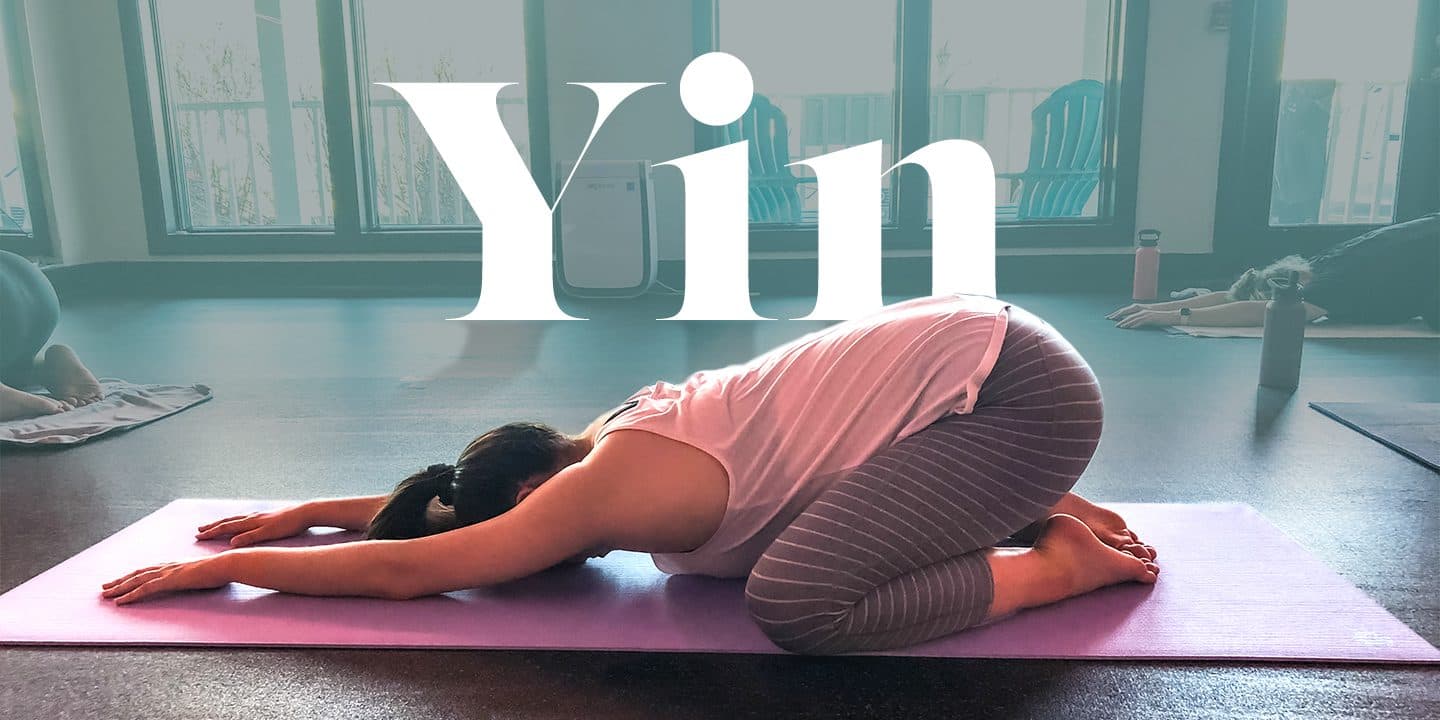
During a typical yin yoga class, practitioners find themselves in passive postures, often aided by props like blocks or bolsters. This support allows muscles to relax, enabling deeper stretches without strain. Positions like Supported Child’s Pose or Butterfly can effectively target specific areas of tightness.
Yin Yoga Programs
Several programs focus on yin yoga, particularly for myofascial release and joint longevity. One notable example is the Yin Yoga Teacher Training offered by the Yin Yoga Institute. This comprehensive program covers anatomy, the philosophy of yin yoga, and practical teaching techniques.
Participants learn to guide students through sessions that promote relaxation and healing, focusing on areas commonly affected by tightness, such as the hips, lower back, and shoulders. Training emphasizes the importance of creating a supportive environment, where practitioners can feel safe to explore their limits.
Patient Experiences
The benefits of yin yoga extend beyond physical health, positively impacting the mental and emotional aspects of wellness. Here are a few testimonials from individuals who have incorporated yin yoga into their routines:
-
Sarah, 45: “After years of battling lower back pain, yin yoga has been a game-changer. The longer hold times allow me to really settle into the postures, relieving tension like I’ve never felt before. My joints feel more mobile, and I can move with more grace in daily life.”
-
James, 60: “Yin yoga has completely transformed my approach to movement. I used to think flexibility was out of reach for someone my age. Now, I enjoy simple things like bending down to tie my shoes without discomfort. It’s about maintaining my independence as I age.”
-
Maria, 38: “I discovered yin yoga during a particularly stressful time. The mindfulness aspect allowed me to disconnect from the chaos of life and reconnect with my body. I sleep better now, and the tension in my shoulders has lessened significantly.”
Incorporating Mindful Movement
Yin yoga teaches valuable lessons about pacing and awareness. Practitioners learn to listen to their bodies, which is essential for long-term health. Incorporating simple mindful movements into daily life, such as gentle stretching or focused breathing, can further enhance the benefits of yin yoga.
Tips for Starting
- Find a class: Look for local studios or online platforms that offer yin yoga classes.
- Use props: Don’t hesitate to use blocks, bolsters, or blankets to support your body.
- Listen to your body: Every day may feel different; adjust your practice based on how you feel.
Yin yoga for myofascial release and joint longevity provides a pathway to better health. By connecting breath, movement, and awareness, practitioners can experience profound benefits, not just physically, but also emotionally and mentally. Embrace this gentle yet powerful practice, and discover how it can support your journey to wellness.